PRP Therapy
PRP Platelet-Rich Plasma
PRP Therapy (Platelet-Rich Plasma): A Complete GuidePlatelet-rich plasma (PRP) therapy uses a concentrated sample of your own blood to support the body’s natural healing. It is used in dermatology, sports medicine, orthopedics, and aesthetic care. Because the treatment uses your own blood, the risk of allergic reaction or rejection is low.
What Is PRP Therapy?
Platelets are small blood cells that help your body heal. They carry growth factors, which are proteins that signal tissue to repair itself. PRP therapy concentrates these platelets and places them where they are needed, such as the scalp, skin, or an injured joint.
How Is PRP Prepared?
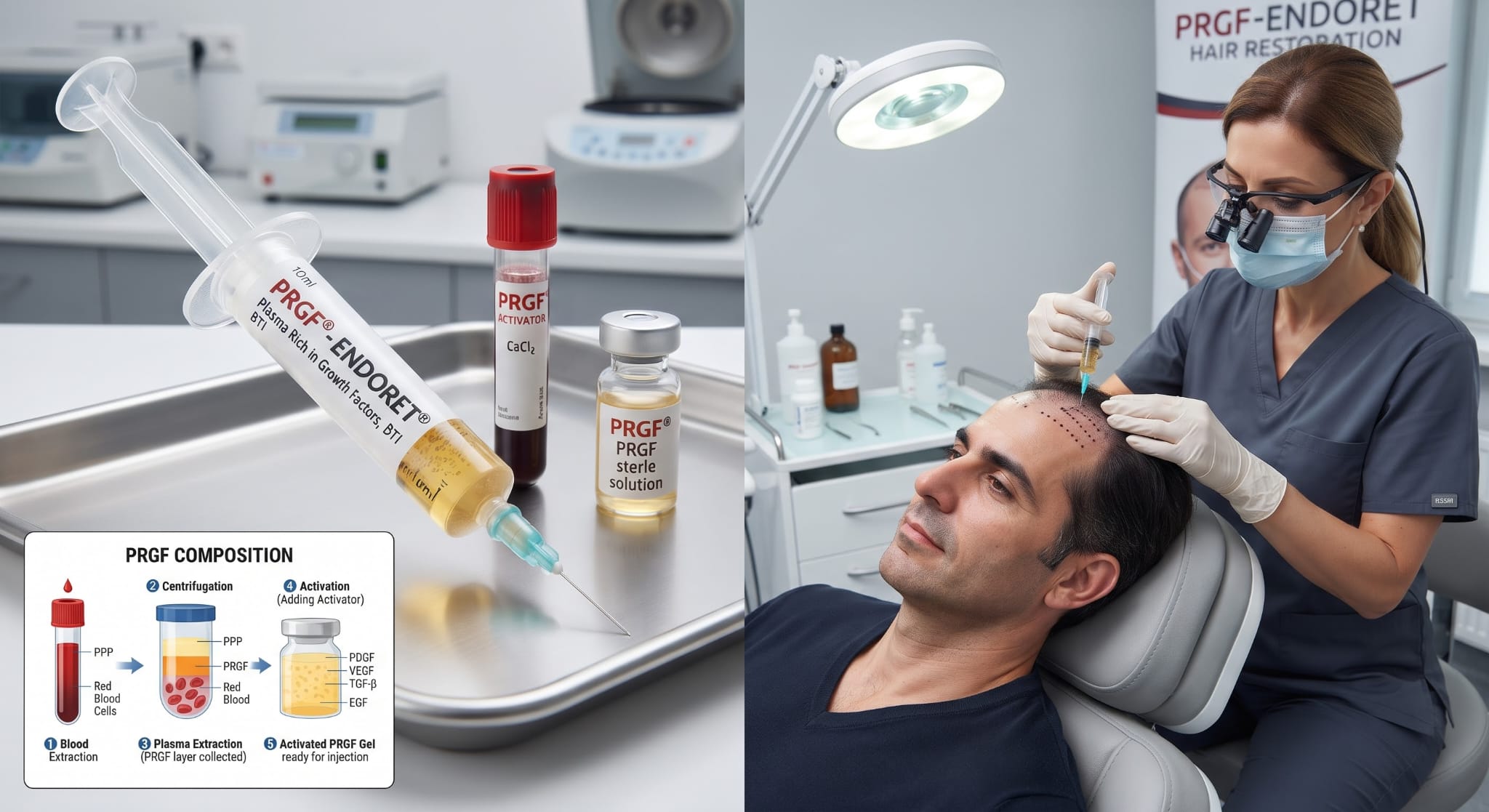
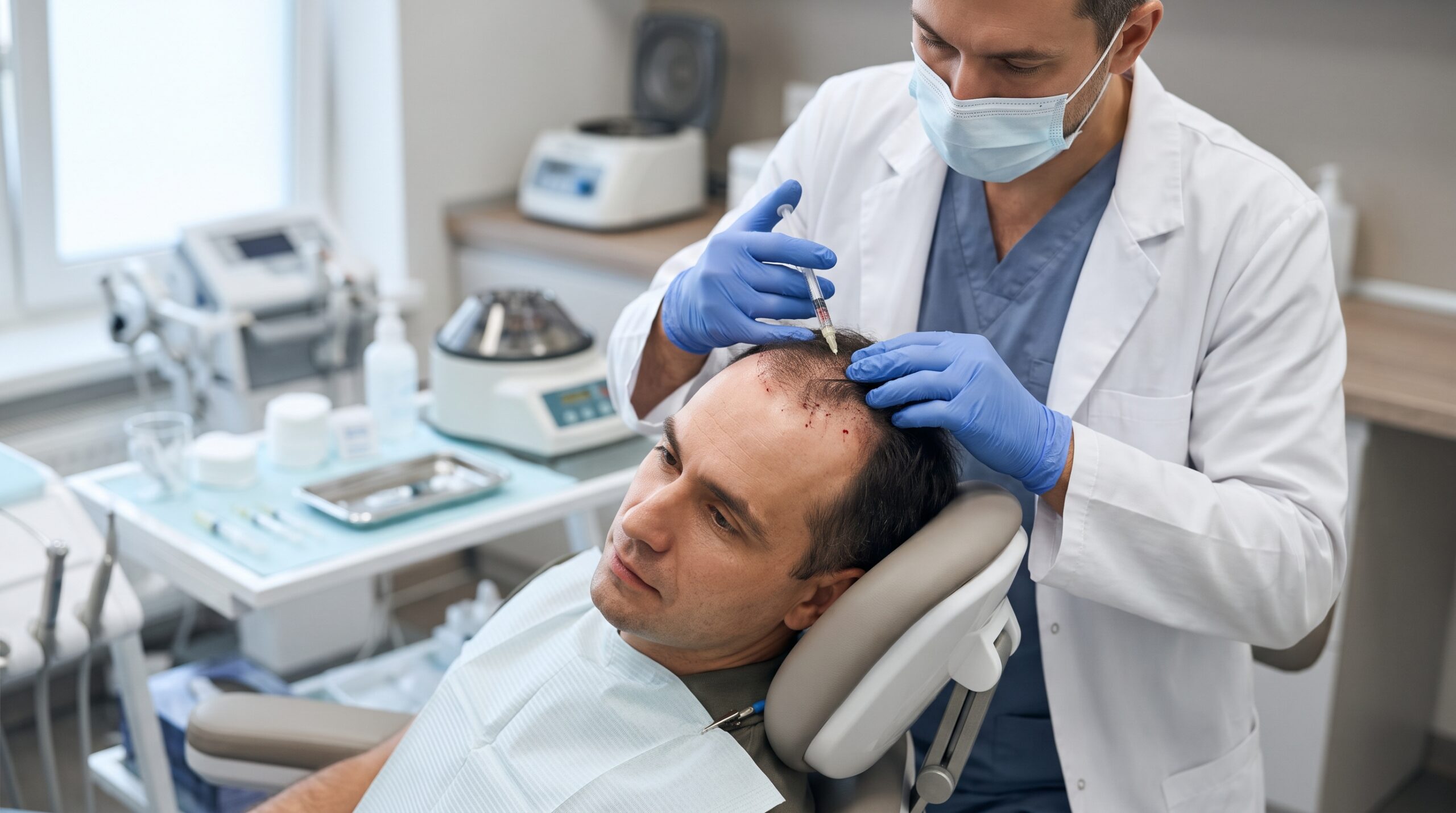
Blood draw: A small amount of blood, usually 10 to 60 mL, is taken from your arm.Centrifuge: The sample is spun at a controlled speed. This separates it into three layers.Collection: The platelet-rich layer is drawn into a sterile syringe.Injection: The PRP is injected into the treatment area. Your clinician may use a numbing cream or local anaesthetic first.
What Do the Layers in the Syringe Mean?
Platelet-poor plasma (top layer): The straw-coloured liquid portion of blood. It makes up about 55% of whole blood.PRP layer (middle): A thin layer with a high concentration of platelets. This is the part used in treatment.Red blood cells (bottom layer): The dark red layer. It is not used for the injection.In the illustration above, a 10 mL blood sample yields roughly 1 mL of PRP. Actual amounts vary by patient and system.
What Conditions Can PRP Help?
Hair loss: Used for thinning hair, including androgenetic alopecia.Skin rejuvenation: Fine lines, uneven tone, acne scars, and dull skin (the “vampire facial”).Joint pain: Mild to moderate knee osteoarthritis.Tendon injuries: Tennis elbow, Achilles tendinopathy, and rotator cuff problems.Muscle and ligament strain: Often used by athletes.Research is still developing, and results differ from person to person. Ask your clinician whether PRP is suitable for you.
Benefits of PRP Therapy
Uses your own blood.Minimally invasive, with little downtime.Low risk of allergic reaction.Can be combined with other treatments.Treatment visits are short, often under an hour.
Possible Risks and Side Effects
PRP is generally well tolerated. Possible side effects include:Pain, swelling, or bruising at the injection site.Mild redness for 24 to 48 hours.Rarely, infection or nerve irritation.
Who Should Avoid PRP?
PRP may not suit people with low platelet counts, blood disorders, active infections, certain cancers, or those taking blood thinners. Always share your full medical history during your consultation.
What to Expect: Before, During, and After
Before: Stay well hydrated. Avoid anti-inflammatory medicines such as ibuprofen for several days if your clinician advises it.During: The visit usually takes 45 to 90 minutes, including the blood draw and spin.After: Most people return to normal activity quickly. Avoid intense exercise and heavy sun exposure for a day or two.Visible improvement is gradual. Hair and skin treatments often need 3 to 4 sessions, spaced about a month apart. Joint treatments usually need fewer sessions.
Frequently Asked Questions
Is PRP therapy safe? PRP uses your own blood, so it is considered low risk when performed by a trained clinician with sterile equipment. Does PRP hurt? You may feel brief discomfort and pressure. Numbing cream or local anaesthetic can reduce this.How long do results last? It depends on the condition and your body. Many people need maintenance sessions every 6 to 12 months.
How much does PRP cost?
Cost depends on the treatment area, number of sessions, and your location. Contact our clinic for a quote.Is PRP approved by regulators? PRP preparation devices are cleared for certain uses in several countries. Many uses, such as hair and skin treatment, are considered off-label. Your clinician can explain this in detail.
Book Your PRP Consultation
Ready to learn whether PRP is right for you? Contact our clinic to book a consultation with a qualified specialist.Disclaimer: This page is for general information only and does not replace medical advice. Results vary. Consult a licensed healthcare professional before starting treatment.
- Natural Growth Factors
PRP uses concentrated platelets from your own blood to deliver natural growth factors directly to hair follicles and support healthy hair growth.
- Minimally Invasive Procedure
The treatment involves a quick blood draw, centrifugation, and targeted micro-injections into the scalp without surgery or large incisions.
- Supports Follicle Vitality
Growth factors help nourish weakened or thinning hair follicles, encouraging thicker-looking and healthier strands over time.
- Complementary to Hair Transplants
PRP is often used before or after hair transplant procedures to support scalp recovery and overall graft environment.
Minimal Downtime
Most individuals can return to regular daily activities shortly after their session, with only mild, temporary scalp tenderness or redness.
- Services
Clear Pre-Hair Transplant Guidance before you decide
Get unbiased pre-transplant consultation, realistic graft estimates, and practical scalp insights-all from anywhere in the world. Explore DHI-FUT-FUE and scalp care options with structured online guidance designed to help you ask the right questions
We are Professional Trichologist from Turkey
Location
Istanbul, Turkey
Phone
+9054-1136-5478
Website
www.isthairconsult.com.tr
Independent Pre-transplant Consultant
Scalp assessment and grafts planning 30 -Min Online video Consultation
FUE-DHI Guidance
Guidance on FUE, FUT and DHI techniques so you understand realistic hairlines and graft expectations before booking
Non-Invasive Hair Treatments
Practical Information on supportive / re-generative hair care options PRP, PRGF, Exosome , Microneedling, recovery timelines and post-procedure maintenance for lasting results.

At Istanbul Hair Consultant, we provide independent pre-transplant hair guidance with a focus on clarity, honesty, and personalized care.
Contact Us
- +9054-1136-5478
- www.isthairconsult.com.tr
- [email protected]
- Home
- About Us
- Consultation Areas
- Book Now
- Privacy Policy
- Terms and Conditions
- Refund Policy